Target + Pepsi + AbbVie + NOBL: A Dividend Aristocrats Portfolio Built for Rising Income
Portfolio Overview
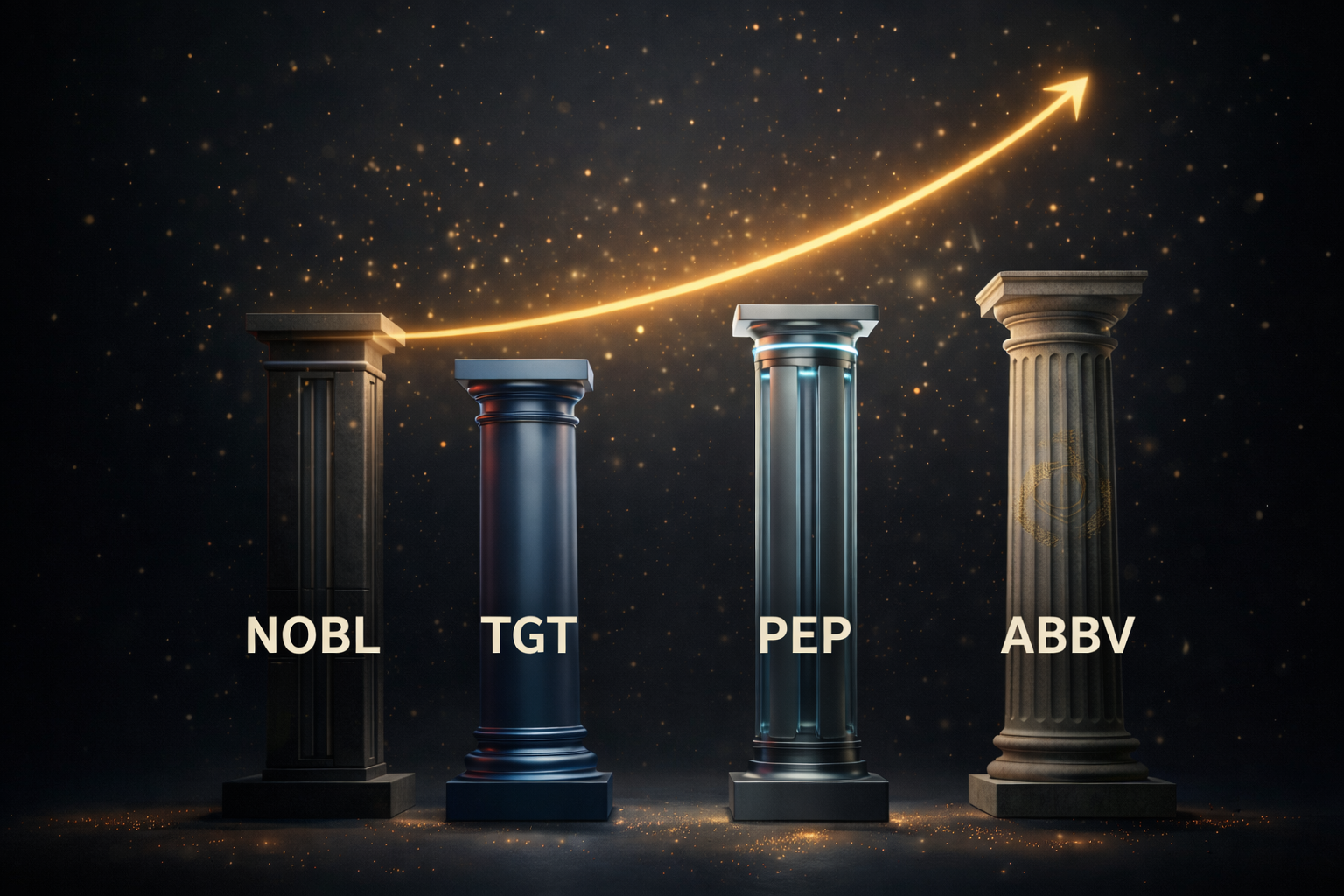
This portfolio is built around high-quality dividend growers with strong track records of increasing income over time. It combines Target (TGT), PepsiCo (PEP), and AbbVie (ABBV) with the ProShares S&P 500 Dividend Aristocrats ETF (NOBL) to add diversification across companies with decades of uninterrupted dividend increases.
TGT and PEP provide reliable consumer-driven cash flow supported by resilient global brands. ABBV enhances income with strong pharmaceutical earnings and consistent dividend growth. NOBL strengthens the foundation by spreading exposure across long-term dividend raisers — a classic Dividend Aristocrats approach focused on durability and consistency.
Dividend Growth Trend
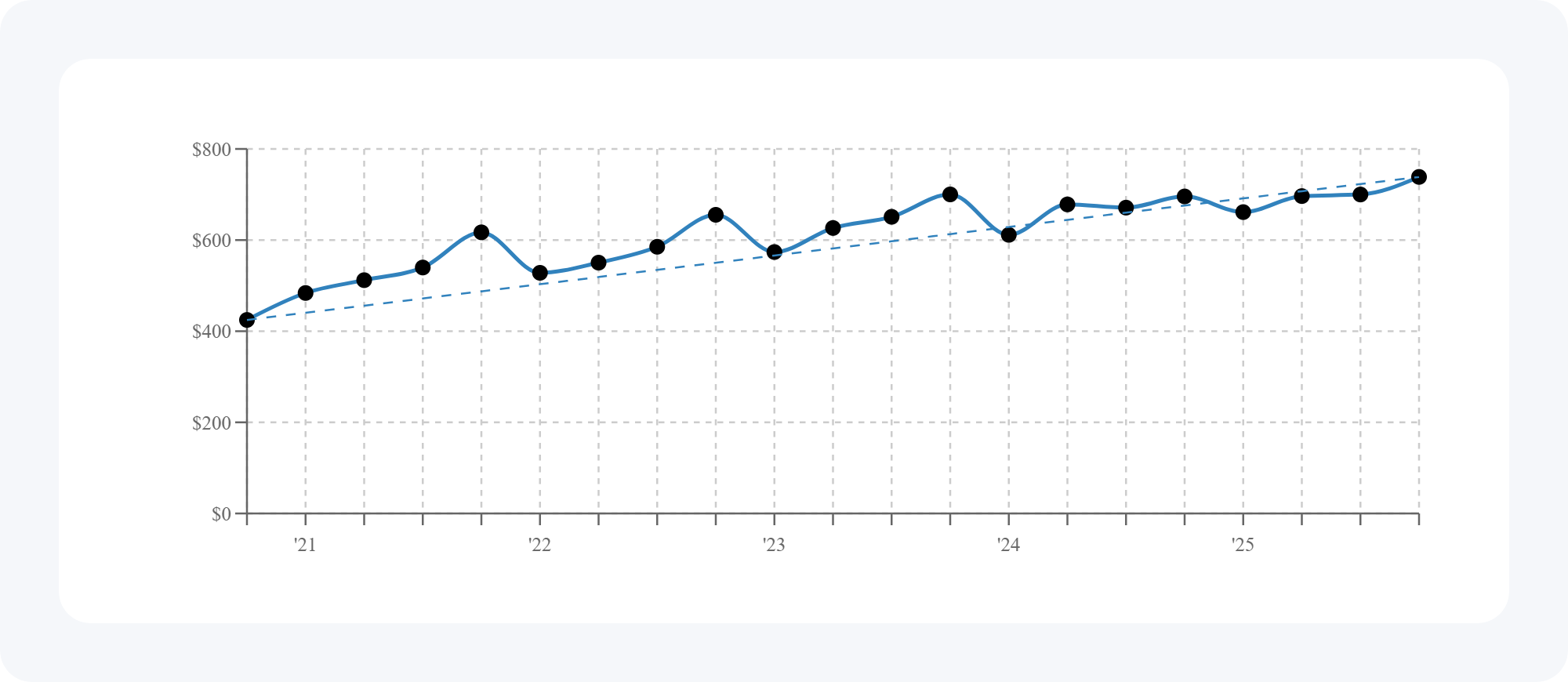
Here’s the dividend growth trend for these holdings over the last five years.
The long-term growth trend is very clear with these holdings. That’s the key benefit of a dividend growth strategy: even without adding new money, a portfolio built on dividend raisers can steadily increase its income stream over time — which can gradually lift yield on cost and improve long-term cash flow.
Portfolio Snapshot

Here’s the quick snapshot for this portfolio:
- Yield on cost: 2.9%
- Annual dividend income: $2,842 per year
- Monthly dividend income: about $237 per month
- Dividend income growth: roughly 7% per year over five years
- Average ETF expense ratio: 0.09% (about $141 per year in fees)
This is a dividend growth profile: a moderate starting yield today, paired with a focus on steadily rising income as dividends grow over time.
Income Breakdown by Holding
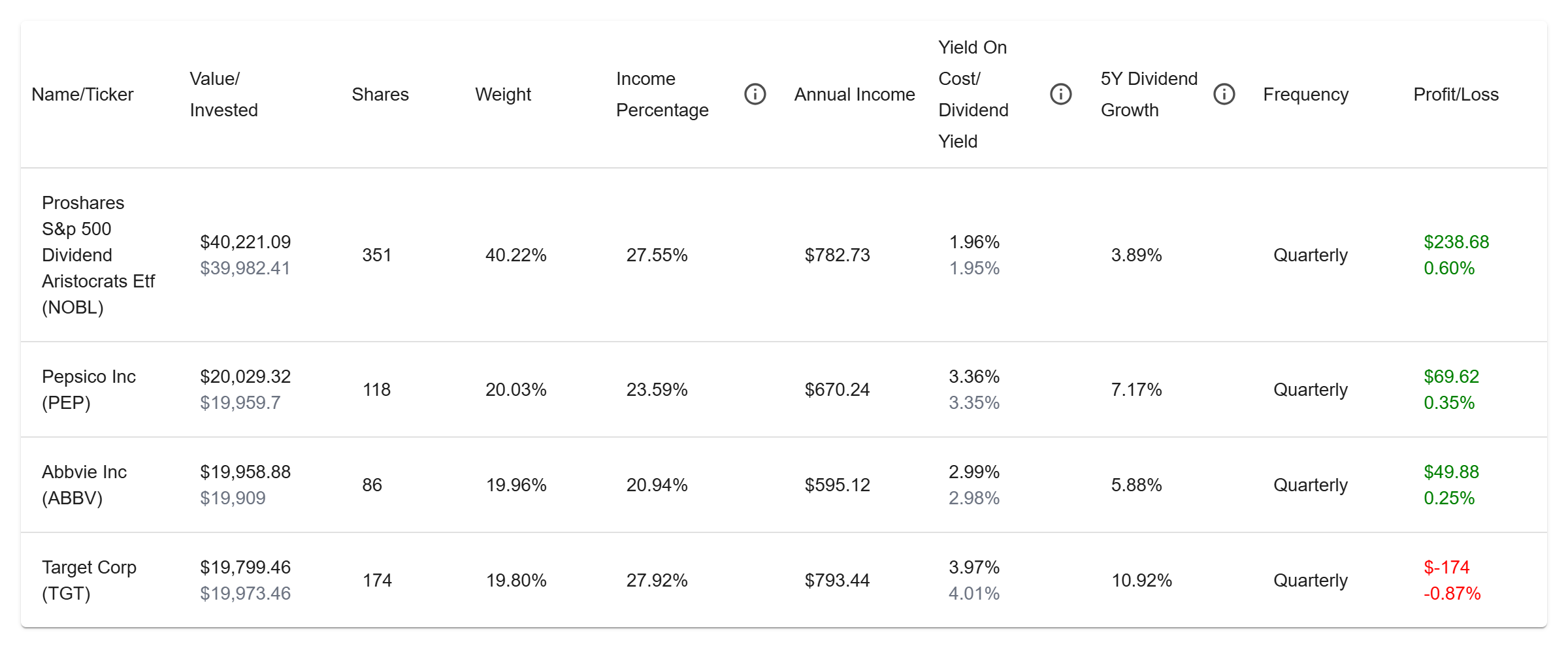
Here’s how the portfolio’s dividend income is split between the holdings:
- TGT: about 27.9% of the income (roughly $793 per year)
- NOBL: about 27.6% (about $783 per year)
- PEP: about 23.6% (about $670 per year)
- ABBV: about 20.9% (about $595 per year)
All holdings pay quarterly.
5-year dividend growth rates included in this portfolio:
- TGT: 10.9%
- NOBL: 3.9%
- PEP: 7.2%
- ABBV: 5.9%
This mix creates a balanced dividend engine: faster growth from some holdings, steadier growth from others, and diversification from the Dividend Aristocrats ETF exposure.
Forward Income Outlook
If income growth continues in line with recent history, this portfolio’s cash flow could rise steadily over time.
- Yield on cost may grow from 2.9% today to about 4% in five years
- Annual income could increase from $2,842 to roughly $3,994
- Monthly income could rise from $237 to about $333
- And this projection is described as happening without adding new capital or reinvesting dividends
That’s the long-term appeal of dividend growth investing: when dividend increases persist, the income stream can strengthen meaningfully over time — even with a “no new contributions” approach.