Utility Giants Dividend Portfolio Analysis: Stable Income From NEE, DUK, SO, and AEP
Portfolio Overview
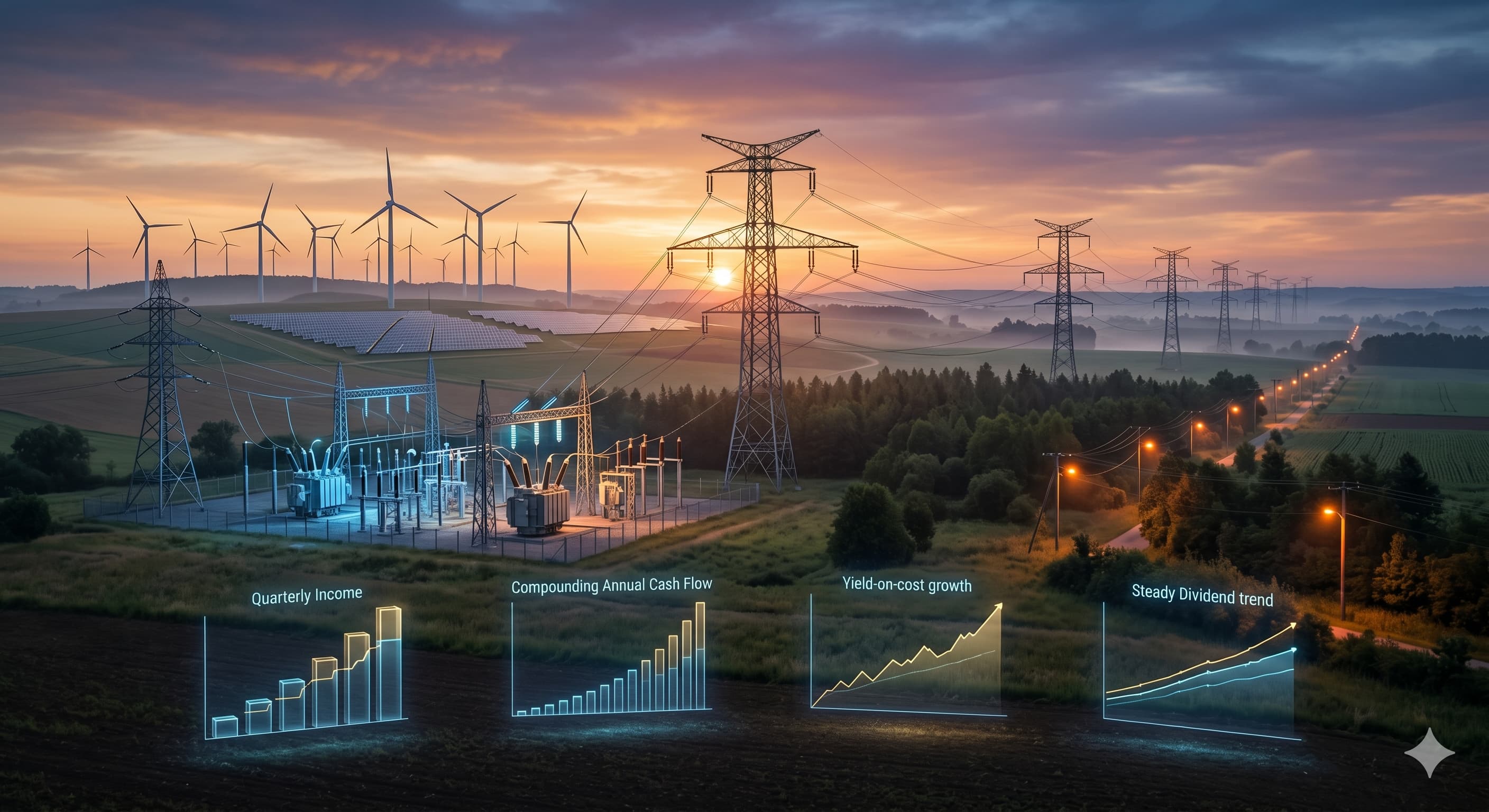
This portfolio is built around regulated utility leaders focused on dependable income and long-term dividend stability. It combines NextEra Energy (NEE), Duke Energy (DUK), Southern Company (SO), and American Electric Power (AEP) to create a diversified utility income portfolio supported by essential energy infrastructure and regulated cash flow.
NEE provides renewable energy and utility growth exposure through its large clean energy platform. DUK contributes diversified regulated electric and gas operations with broad geographic reach. SO enhances portfolio income with stable high-yield utility cash flow backed by long-term regulated operations. AEP strengthens the portfolio through diversified transmission infrastructure and regulated power distribution networks.
Dividend Growth Trend
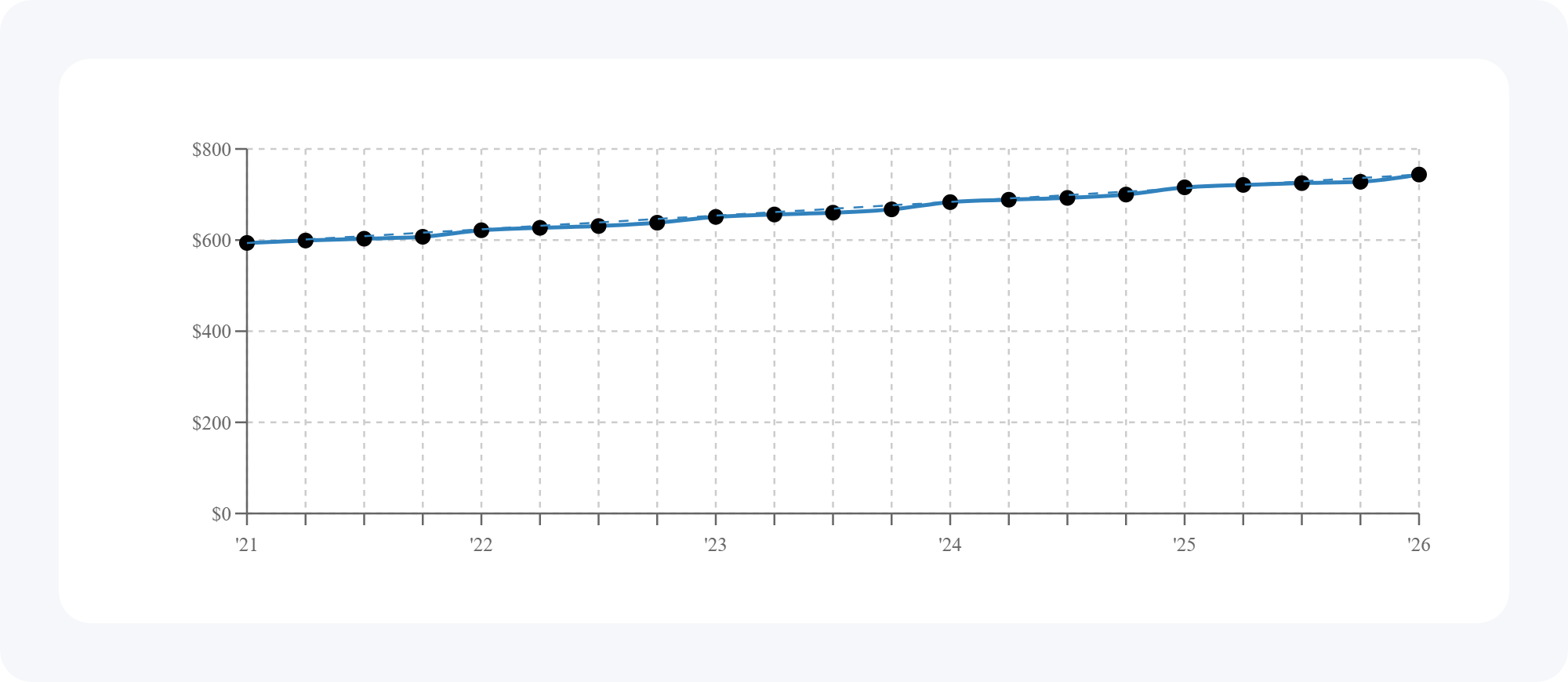
Here's the dividend growth trend for these holdings over the last five years.
Based on dividend history, the average quarterly income has grown by 21.4%, rising from about $601 to roughly $729 per quarter over the period.
The long-term growth trend is very steady and gradual. That's one of the key advantages of regulated utility dividend investing: while growth may not always be explosive, the combination of stable infrastructure cash flow and recurring demand can help produce consistent long-term income expansion.
Portfolio Snapshot

Here's the quick snapshot for this portfolio:
Yield on cost: 3% Annual dividend income: $2,996 per year Monthly dividend income: about $250 per month Dividend income growth: roughly 4.9% per year over five years Average ETF expense ratio: 0%
This is a utility-focused dividend profile: a dependable starting yield today, combined with the potential for gradually rising income through long-term dividend growth.
Income Breakdown by Holding
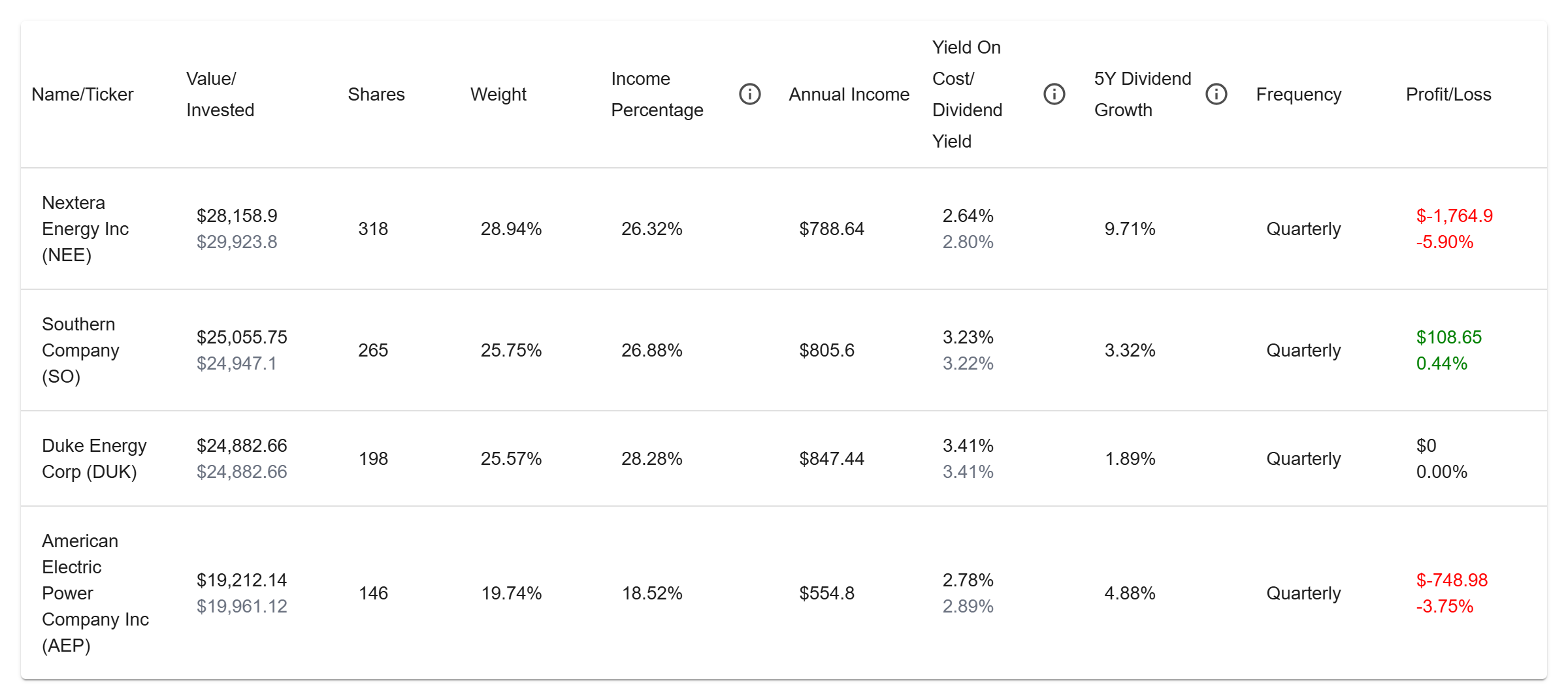
Here's how the portfolio's dividend income is split between the holdings:
DUK: about 28.3% of the income (roughly $847 per year) SO: about 26.9% (about $806 per year) NEE: about 26.3% (about $789 per year) AEP: about 18.5% (about $555 per year)
All holdings pay quarterly.
5-year dividend growth rates included in this portfolio:
DUK: 1.9% SO: 3.3% NEE: 9.7% AEP: 4.9%
This combination creates a balanced utility income engine: slower but dependable growth from mature regulated utilities alongside stronger growth potential from renewable energy exposure.
Forward Income Outlook
If income growth continues in line with recent history, this portfolio's cash flow could rise steadily over time.
Yield on cost may grow from 3% today to about 3.8% in five years Annual income could increase from $2,996 to roughly $3,804 Monthly income could rise from $250 to about $317 And this projection is described as happening without adding new capital or reinvesting dividends
That's one of the long-term appeals of utility dividend investing: even with moderate dividend growth rates, consistent increases over time can steadily strengthen the income stream while maintaining a focus on stability and reliability.