Dividend Growth: The ATM That Pays You More Every Year
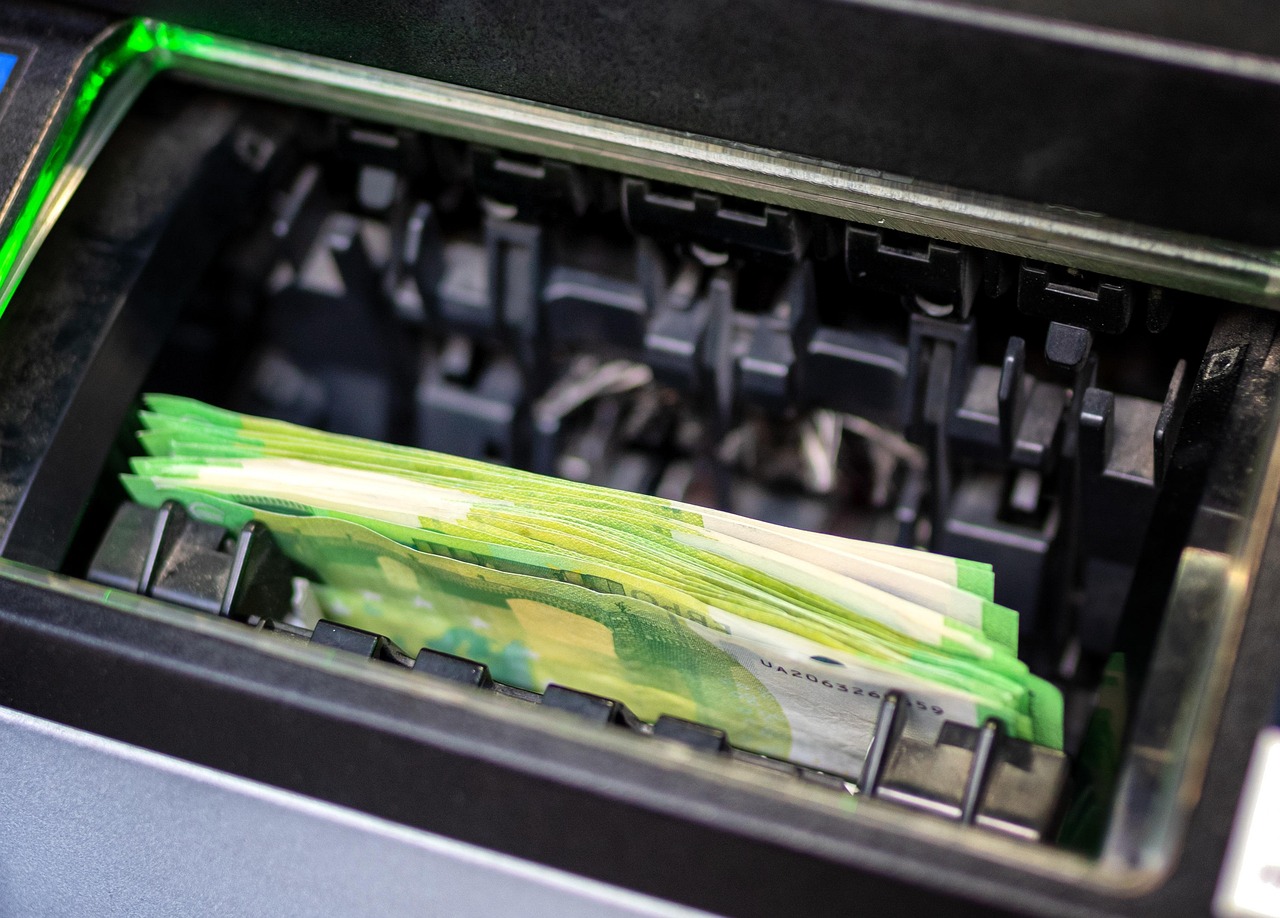
Imagine buying an ATM. It sits quietly in the corner and spits out cash every month or quarter. You don't need to work more hours. You don't need to sell it to get paid.
Now imagine something better: this ATM pays you more cash every year. It never asks for a raise. It never gets tired. And it keeps doing its job whether you're watching the market or not.
Here's the part most people underestimate: you can take the cash it produces… and buy more ATMs exactly like it.
That mental model is the essence of dividend growth investing.
What dividend growth actually means
Dividend growth investing isn't about chasing the highest yield on a quote page. It's about owning businesses (or ETFs) that generate cashflow, share part of that cash with shareholders, and increase those payouts over time.
Each share you own is a small income-producing unit. Each dividend increase is a permanent raise. Over time, those raises compound.
Why growth matters more than the starting yield
A common mistake is focusing only on today's payout. It's tempting to ask: "How much income does this pay me right now?"
A better question is: "How much will this pay me 10 or 20 years from now?"
A dividend growing at 7–10% per year can double roughly every 7–10 years. That helps preserve purchasing power against inflation and can turn a modest starting income stream into a meaningful one over time.
A high yield with no growth, on the other hand, is like an ATM with a fixed payout. It still produces cash — but inflation slowly eats away at what that cash can buy.
The compounding loop most investors underestimate
Dividend growth becomes much more powerful when you reinvest. The loop looks like this:
- You receive dividends
- You reinvest them
- You own more shares
- Those shares pay more dividends
- The next dividend increase applies to a larger base
At first, it feels slow. Almost boring. Then something changes: reinvested dividends start buying meaningful amounts of new shares, and the income growth becomes visible instead of theoretical.
That's the dividend snowball — and most people quit before they feel it.
You don't need perfect stock picks
Dividend growth isn't about finding one magical company. It's about owning quality, cash-generating assets and staying consistent long enough for compounding to do its work.
Broad dividend-growth ETFs, established dividend payers, and disciplined reinvestment already put the math on your side. Perfection isn't required. Patience is.
The psychological shift dividend growth creates
At some point, investors notice a subtle change. They stop asking "What did the price do today?" and start asking "How much income did my portfolio generate this quarter?"
That shift matters. The portfolio stops feeling like a trading account and starts feeling like an income-producing system.
Dividend growth vs speculation
Speculation depends on timing, sentiment, and someone else paying more later. Dividend growth depends on cashflow, business performance, and time.
That doesn't mean price doesn't matter — it does. But with dividend growth, the income engine can keep working even when prices are volatile.
Final thoughts
Dividend growth investing isn't exciting in headlines. It doesn't promise overnight success. What it offers instead is a framework for building a rising income stream: growing payouts, improving purchasing power, and compounding that becomes more powerful over time.
Like owning an ATM that pays you more every year — just for continuing to own it.
Notes & perspective
- Dividend growth does not eliminate risk. Dividends can be reduced in extreme conditions.
- Growth rates are not guaranteed and can vary across market cycles.
- Reinvestment (DRIP) can accelerate compounding, but it's optional depending on your goals.